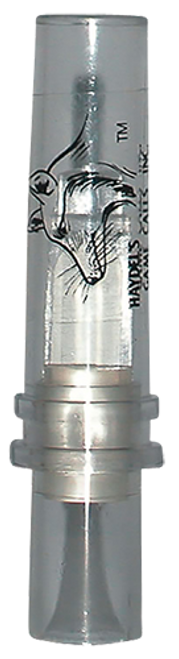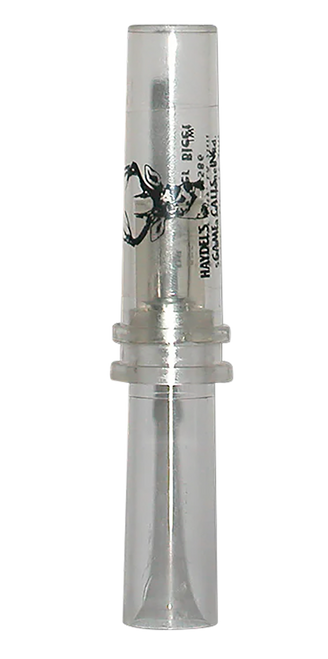
The Haydel's Game Calls DB85 Deer Bleat delivers authentic doe vocalizations that bring deer within range during critical hunting moments. This open reed call produces the natural bleating sounds that communicate distress, curiosity, and social interaction among whitetails.
What Makes This Different
The DB85 features an open reed design that allows hunters to control tone, volume, and cadence through breath control and hand positioning. Unlike closed reed calls that produce limited sounds, this acrylic construction enables variable pitch control for different deer vocalizations. The clear acrylic body provides durability while allowing visual confirmation of proper reed positioning and maintenance.Key Features
- Open reed design enables multiple deer vocalizations and tonal variations
- Clear acrylic construction resists cracking in cold weather conditions
- Compact 4-inch length fits easily in pocket or pack
- Produces authentic doe bleats, fawn distress calls, and social contact sounds
- Adjustable reed tension for customized sound production
- Lanyard hole prevents loss during hunting situations
- Easy-clean design maintains hygiene and performance
Technical Specs
- Overall length: 4 inches
- Material: Clear acrylic body with latex reed
- Call type: Open reed, variable tone
- Sound range: Doe bleats, fawn distress, social calls
- Operating temperature: -20°F to 120°F
- Weight: 0.8 ounces
- Includes: Lanyard attachment point
- Manufacturer: Haydel's Game Calls, USA