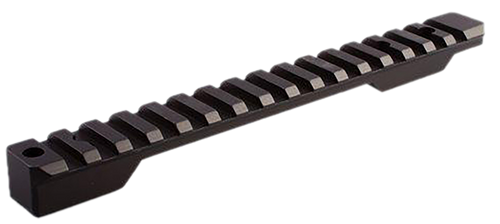
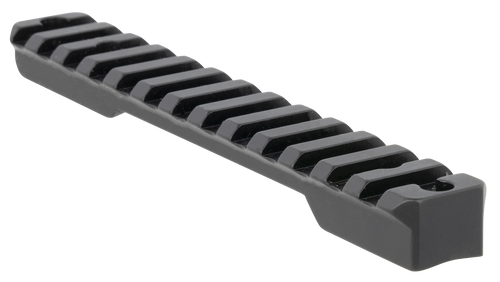
The Talley PSM258160 delivers precision scope mounting with integrated 20 MOA cant for extended long-range shooting capabilities. This one-piece aluminum rail system eliminates the alignment issues common with two-piece ring systems while providing the elevation advantage needed for shots beyond 600 yards.
What Makes This Different
Unlike standard zero-cant rails, this mount incorporates a 20 MOA forward slope that maximizes scope adjustment range for long-distance precision shooting. The one-piece design machines from a single block of 6061-T6 aluminum, eliminating the potential flex and misalignment inherent in segmented mounting systems. This construction maintains consistent scope positioning under recoil stress that can shift conventional ring setups.Key Features
- 20 MOA integrated cant extends effective range by 200-300 yards
- One-piece 6061-T6 aluminum construction eliminates ring alignment issues
- Type III hard anodized finish resists corrosion and wear
- Short action receiver compatibility for popular hunting calibers
- Standard Picatinny rail interface accepts all MIL-STD-1913 rings
- Precision-machined mounting surfaces ensure repeatable zero
- Low-profile design maintains proper cheek weld ergonomics
Technical Specs
- Material: 6061-T6 aluminum alloy
- Finish: Type III hard anodized black
- Cant: 20 MOA forward slope
- Compatibility: Short action receivers
- Rail standard: MIL-STD-1913 Picatinny
- Weight: Approximately 4.2 ounces
- Mounting hardware: Included
- Country of origin: USA